
A new roof can improve a home’s marketability, reduce concerns during a sale, and protect the condition of the structure below it. However, the amount added to a property’s value rarely equals the full installation cost. The financial effect depends on the roof’s age, condition, materials, workmanship, documentation, and the expectations of local buyers.
Does a new roof increase home value?
Usually, a new roof supports home value more by preventing a discount than by creating a large dollar-for-dollar gain. Buyers often view roofing as a major ownership expense, so a recently completed replacement can make a property easier to evaluate and more attractive than a similar home with visible roof problems.
A roof in good condition may help a home:
- Receive stronger buyer interest
- Avoid repair-related price reductions
- Spend less time on the market
- Pass inspection with fewer concerns
- Qualify more easily for certain insurance arrangements
- Present better in listing photographs and showings
The effect is especially noticeable when the existing roof is near the end of its expected service life. A replacement may not transform the property’s value, but it can remove a significant obstacle to a sale.
Why does roof condition matter so much to buyers?
Roofing protects the attic, insulation, ceilings, walls, and other parts of the building from weather. If the roof is failing, buyers may worry that water has already caused hidden damage.
A roof that appears worn can raise questions about:
- Leaks beneath shingles or other coverings
- Damp insulation or attic framing
- Mold or wood decay
- Damaged ceilings and interior finishes
- Poor ventilation
- Ice-related water intrusion
- Future repair costs
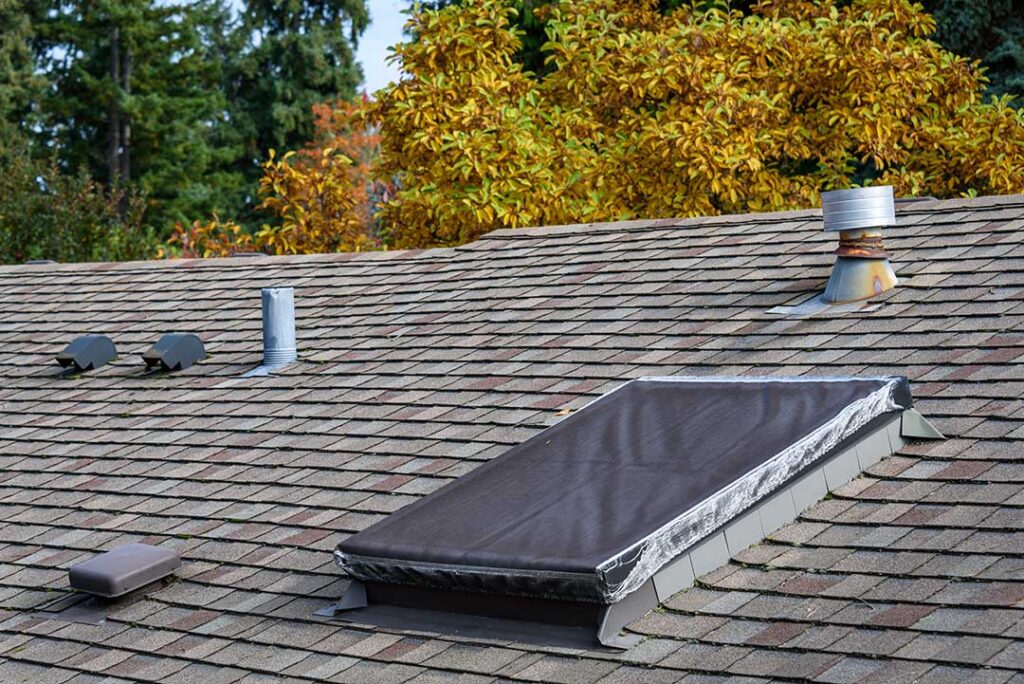
In Rensselaer, NY, roofs must endure cold winters, freeze-thaw cycles, wind, rain, snow, and occasional ice buildup. These conditions can expose weaknesses around roof edges, valleys, chimneys, skylights, and areas where different materials meet. A replacement that addresses both the covering and the underlying causes of deterioration may offer more value than a cosmetic installation alone.
Does the cost of a new roof come back dollar for dollar?
Not usually. Home improvements rarely return their full cost immediately, and roofing is no exception. The return depends on local sale prices, the quality of the work, the material selected, and how urgently the replacement was needed.
A roof replacement may have a stronger financial effect when:
- The previous roof was visibly damaged
- Active leaks were present
- The roof was close to failure
- Competing homes have newer roofs
- The replacement improves visible appearance
- The work includes proper ventilation and flashing
- Permits, invoices, and product information are available
If the old roof still has many useful years remaining, replacing it solely for resale may produce a smaller financial benefit. If the roof is leaking or clearly deteriorated, replacement can help preserve value by preventing more expensive damage.
How does a new roof affect a home appraisal?
An appraiser considers the roof as part of the property’s overall condition, but does not normally assign a simple fixed amount for a new roof. The roof is evaluated alongside the home’s age, size, design, updates, location, comparable sales, and condition of major systems.
A new roof may support the appraisal when it places the home in a better condition category than comparable properties. It can also help an appraiser avoid deductions associated with obvious deferred maintenance.
Still, a roof replacement does not automatically justify a higher appraisal if:
- The installation is incomplete
- Visible workmanship problems remain
- Water damage was not repaired
- The roof does not match the property appropriately
- Documentation is missing
- Other major systems are in poor condition
A new roof is most useful as part of a well-maintained property rather than as an isolated upgrade.
Which roofing improvements add the most value?
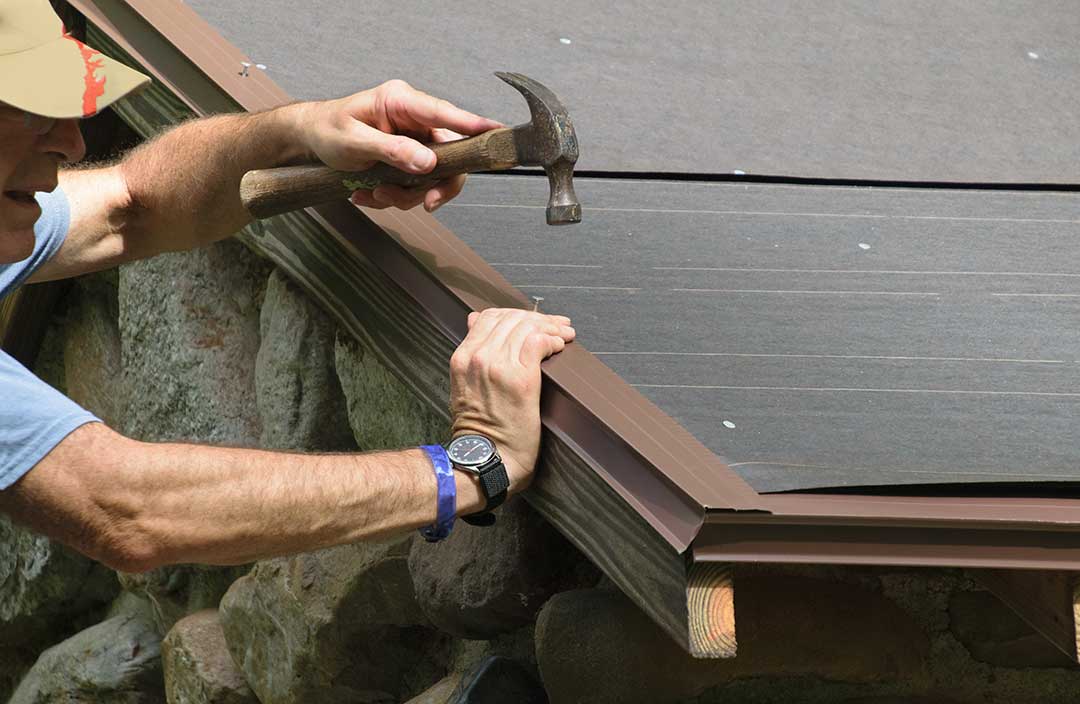
The most valuable work is usually the work that improves durability, weather resistance, and confidence in the building. Appearance matters, but buyers are also interested in whether the roof was installed correctly.
Important details may include:
- Sound roof decking beneath the covering
- Properly installed flashing
- Reliable ventilation at the roof and attic
- Secure edges and penetrations
- Correct drainage around valleys and roof transitions
- Removal of damaged materials
- Repair of leaks before interior damage spreads
- Consistent, professional-looking installation
Material selection should fit the home and the local climate. More expensive materials do not automatically create a better return. An unusually premium roof may not add its full extra cost if buyers in the area do not value that feature or if the rest of the home is not similarly upgraded.
Can a new roof help with home insurance?
Possibly, but insurance decisions vary by policy, property condition, roof age, and underwriting requirements. Some insurers may ask for information about the roof’s installation date, material, condition, or remaining useful life. A newer roof can sometimes make a property easier to insure, but it does not guarantee lower premiums or coverage.
Homeowners should keep records such as:
- Completion date
- Materials used
- Warranty documents
- Permit information, if applicable
- Inspection records
- Photographs taken before and after the work
- Details of structural or ventilation repairs
These records can also answer buyer questions and make the home’s maintenance history easier to verify.
What if only part of the roof is replaced?
Partial replacement can be practical when damage is limited, but it may have less effect on buyer confidence than a complete replacement. Differences in color, texture, weathering, or material availability can make repaired areas noticeable.
A partial project may still add value when it:
- Corrects a known leak
- Repairs storm damage
- Protects a vulnerable roof section
- Extends the useful life of an otherwise serviceable roof
- Includes proper matching and flashing work
The key issue is whether the roof’s remaining sections are expected to perform reliably. A buyer may still discount the home if most of the roof is old, even when one section looks new.
Does curb appeal matter?
Yes. Roofing occupies a large portion of a home’s visible exterior, so its condition can influence first impressions. Stained, curling, missing, or uneven materials may make the property appear poorly maintained. A clean, uniform roof can support the impression that the home has received consistent care.
Curb appeal should not be confused with value created by appearance alone. A visually attractive roof with inadequate ventilation, poor flashing, or unresolved decking damage may create future problems. The strongest improvement combines a sound installation with a neat, compatible appearance.
What should homeowners do before listing a home?
Before putting a property on the market, homeowners should determine the roof’s approximate age and inspect areas that commonly reveal problems. Look for attic moisture, daylight through the roof deck, stained insulation, damaged flashing, loose materials, and blocked or inadequate ventilation.
If replacement is being considered, it helps to compare the cost of the work with the likely effect of selling a home that has:
- An aging but serviceable roof
- A roof requiring repairs
- A roof with active leaks
- A recently completed replacement
The decision should account for more than resale value. A roof replacement may also reduce the risk of interior damage, make the home more comfortable, and provide several years of predictable maintenance.
For residents in the community, the most defensible value comes from a roof that is properly installed, suited to seasonal weather, supported by clear records, and free of unresolved moisture problems. Buyers may not pay the entire replacement cost, but they are often willing to pay more for a home that does not present an immediate roofing expense or hidden water-risk concern.
