
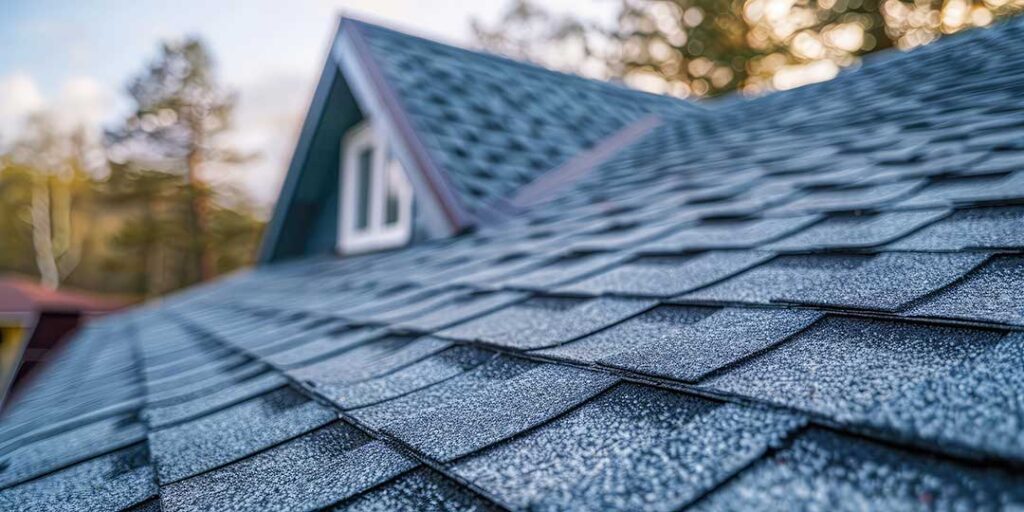
How Does Humidity Affect Roofing Materials?
High humidity—common throughout much of the year in Rensselaer, NY—can cause changes in how roofing materials age, perform, and resist weather. Humidity refers to the moisture content in the air, and its effects can be especially noticeable after summer storms or during muggy stretches in late spring and early fall. Over time, persistent moisture exposure shapes how local homes fare against the elements.
For shingle, metal, and other common roofing types, humidity can influence everything from the rate of mold growth to how well the roof sheds water after rain. As houses in the city age and weather fluctuates, these factors become more noticeable in roof appearance and functionality.
Why Do Area Roofs Show Signs of Moisture Problems?
Roof discoloration, staining, warped shingles, and musty attic smells are all signs that humidity may be affecting the roof. When the air stays moist for several days (even without rain), roofing materials can absorb this moisture:
- Asphalt shingles may warp, curl, or lose granules more quickly.
- Wood shakes might swell, crack, or rot.
- Metal flashing and panels can develop condensation underneath, leading to hidden rust spots.
Local homes built before airtight construction codes might also lack modern vapor barriers. In these cases, humid outside air can infiltrate attics, causing insulation to absorb water and trap dampness directly against the roof sheathing.
What Happens to Roofing Materials During Rensselaer’s Humid Months?
Prolonged periods of high humidity can worsen roof wear even if storms are infrequent. Materials respond differently:
- Asphalt shingles often dry more slowly, leading to black streaks or algae growth.
- Over time, wood roofing absorbs atmospheric moisture, swelling during hot, humid spells and shrinking when air dries, which may accelerate splitting.
- Metal roofs, if not well-sealed, can trap condensation during cool nights, which can cause pitting or corrosion over time.
Because the city’s climate typically brings humid summers and damp autumns, these cycles repeat—which explains why older roofs sometimes fail in spots rather than evenly across the surface.
Can Humidity Lead to Mold or Algae Growth?
Yes. The persistent moisture from humid air encourages roof mold, mildew, moss, and dark algae stains, especially on surfaces that remain shaded or take longer to dry. Roofs facing north or large trees in Rensselaer may dry out less quickly after humid nights, increasing the risk.
Mold and algae don’t just create aesthetic concerns. They often hold additional moisture against the roofing, which can speed up material breakdown. In attics, excess humidity can cause condensation along the underside of the roof deck, contributing to a musty smell or even visible fungal growth.
Are Newer Roofing Materials Less Vulnerable to Humidity?
Some modern roofing materials—like algae-resistant shingles or pre-coated metals—are formulated to resist surface growth or rust. However, their performance still depends heavily on proper ventilation and installation.
No material is truly immune; even the best-rated products can face humidity-related problems if attic airflow is blocked or gutters are clogged, trapping warm, damp air at the roofline.
Area codes now require minimum ventilation standards for attics in new homes. Many older Rensselaer properties, however, lack these features. Residents may notice that newer neighborhoods experience less roof moss and fewer moisture problems compared to older sections of the city.
What’s the Connection Between Indoor Humidity and Roof Wear?
Indoor humidity plays a role, too. If household activities—like showering, cooking, or drying laundry indoors—add extra moisture to the air, that humidity will find its way up through ceilings and into the attic. With inadequate attic ventilation, the moisture can collect on roof framing and deck boards, leading to:
- Peeling paint
- Wet insulation (which is less effective)
- Wood rot
- A greater risk of ice damming in winter
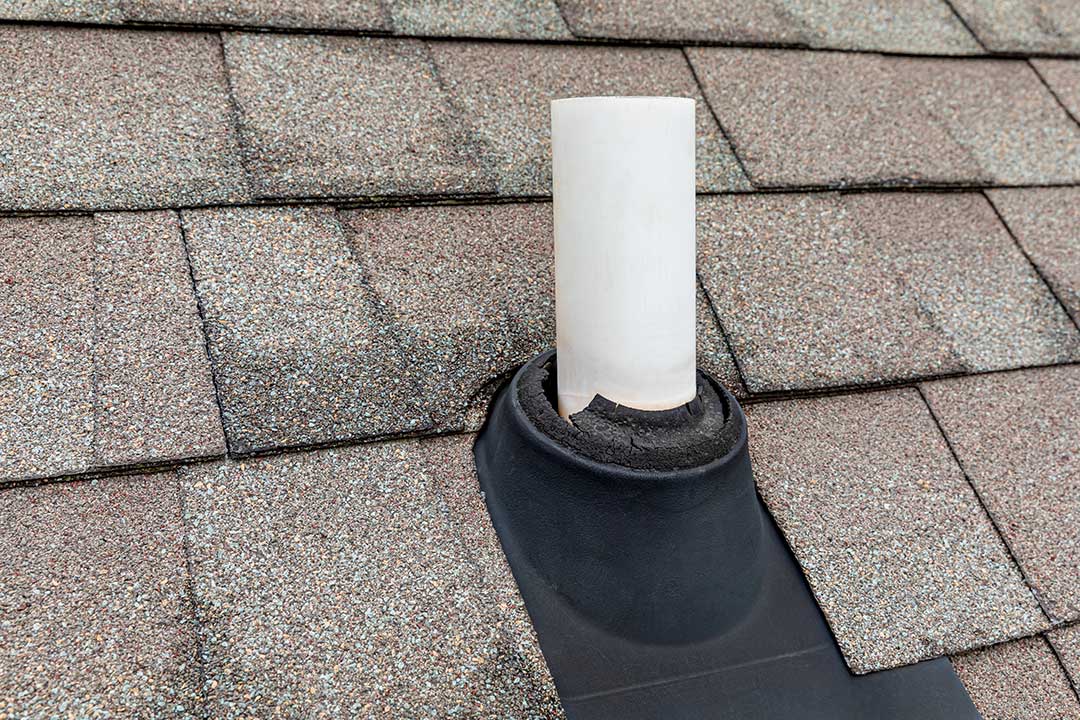
This cycle is more common in tightly sealed homes, especially during winter when opening windows is less practical and dryer vents may become blocked by snow.
Do Seasonal Shifts in Rensselaer Worsen Humidity-Related Roof Issues?
Seasonal temperature swings—from muggy August days to freezing, snowy January nights—add stress to all roofs. When roofing materials repeatedly absorb and release moisture, they expand and contract, potentially loosening fasteners and shortening lifespan.
Spring often brings frequent rain and elevated humidity. Summer’s hot, sticky nights can slow down evaporation, especially if the roof is shaded or the attic lacks good ventilation. Fall leaf drop can clog gutters, increasing the risk of water pooling at the eaves and soaking into shingles or wood.
In each season, the combined effects of humidity and local weather patterns contribute to how quickly visible roof problems develop.
What Practical Steps Help Limit Humidity Damage to Roofs?
Residents can take straightforward measures to reduce the impact of high humidity on local roofs:
- Ventilate attics by ensuring soffit and ridge vents aren’t blocked by insulation or debris.
- Trim tree branches to allow more sun and wind to reach the roof, which helps surfaces dry.
- Clean gutters in spring and fall to encourage proper drainage.
- Use bathroom fans and vent kitchen appliances outdoors to reduce indoor humidity.
- Watch for algae, mold, or staining that may be early indicators of trapped moisture.
For many households, these maintenance habits can help extend roof life and maintain curb appeal—especially in a region where moisture is a fact of life much of the year.
