
What Is Roof Decking?
Roof decking is the flat surface, typically made of wood or composite materials, that forms the base layer of a roof. It sits on top of the home’s framing and underneath all the weather-resistant layers like underlayment and shingles. For homeowners in Rensselaer, the decking is an essential structural component—providing the support necessary for all visible parts of the roof and helping the home stand up to northeastern weather.
While residents may rarely see the decking unless roof repairs are underway, its condition directly impacts roof longevity and the comfort of a home. Roof decking is sometimes referred to as “sheathing” and mostly consists of plywood, oriented strand board (OSB), or in older homes, planks.
Why Does Roof Decking Matter in Rensselaer?
Roof decking holds together the entire roofing system. If this layer is weak or compromised, leaks, drafts, sagging, and even structural issues can follow.
Local weather plays a huge part in making sturdy decking especially important:
- Seasonal snow leads to substantial load on local roofs, so the deck must be strong and well-supported.
- Spring and fall rains can reveal any hidden weakness, as moisture can damage or rot the wood deck if not properly protected.
- Freeze-thaw cycles common in the city can worsen any small cracks or vulnerabilities over time.
A properly maintained or updated deck helps protect area homes from these challenges and provides peace of mind in all seasons.
What Materials Are Commonly Used for Roof Decking?
Most Rensselaer homes built in the past several decades rely on one of two main decking materials:
- Plywood: Made by gluing thin layers of wood together with the grain alternating, this option is strong and flexible. Plywood is favored for its ability to handle heavy loads common in snowy climates.
- Oriented Strand Board (OSB): OSB consists of wood strands compressed with wax and resin. It’s popular for being cost-effective and consistent in quality, though it can be more susceptible to water damage if not well protected.
- Plank Decking: Found mostly in homes built before the mid-20th century, this style uses solid wooden boards laid side-by-side. Some older properties in the city may still have plank decks, although many have been upgraded over the years.
Occasionally, homes may feature specialty decking materials, but these are less common and usually specific to certain architectural styles.
How Can Homeowners Identify Decking Problems?
Most problems with decking show subtle signs at first, but over time may become obvious indoors or during severe weather. Signs to watch for include:
- Uneven or sagging roofing surfaces, which can sometimes be seen from the street
- Popping, bent, or missing shingles indicating movement beneath
- Water stains on ceilings or in the attic—often the first visible clue to a leak
- A spongy feeling when walking on the roof (if safely accessed by professionals), suggesting wood rot or delamination
While these signs are useful, most residents will only discover decking issues when removing old shingles or repairing a leak, since the material is hidden from view. In the city, local homes with long roof lifespans may also hide gradual decking deterioration under multiple layers of previous roofing.
What Happens If Damaged Decking Is Left Unaddressed?
Ignoring problems with the roof deck can eventually cause wider issues such as:
- Leaks that worsen structural rot—especially concerning given the area’s humidity and precipitation
- Insulation damage, driving up heating and cooling costs
- Sagging or uneven roofs, which can impair the appearance and value of a home
- Ice damming along roof edges in winter, as uneven surfaces allow melting snow to re-freeze
Because roof decking is essential to the structure, failing to address damage can lead to far greater repair bills—not just for the roof, but for the home’s framing and interior as well.
How Is Roof Decking Inspected or Replaced in Rensselaer?
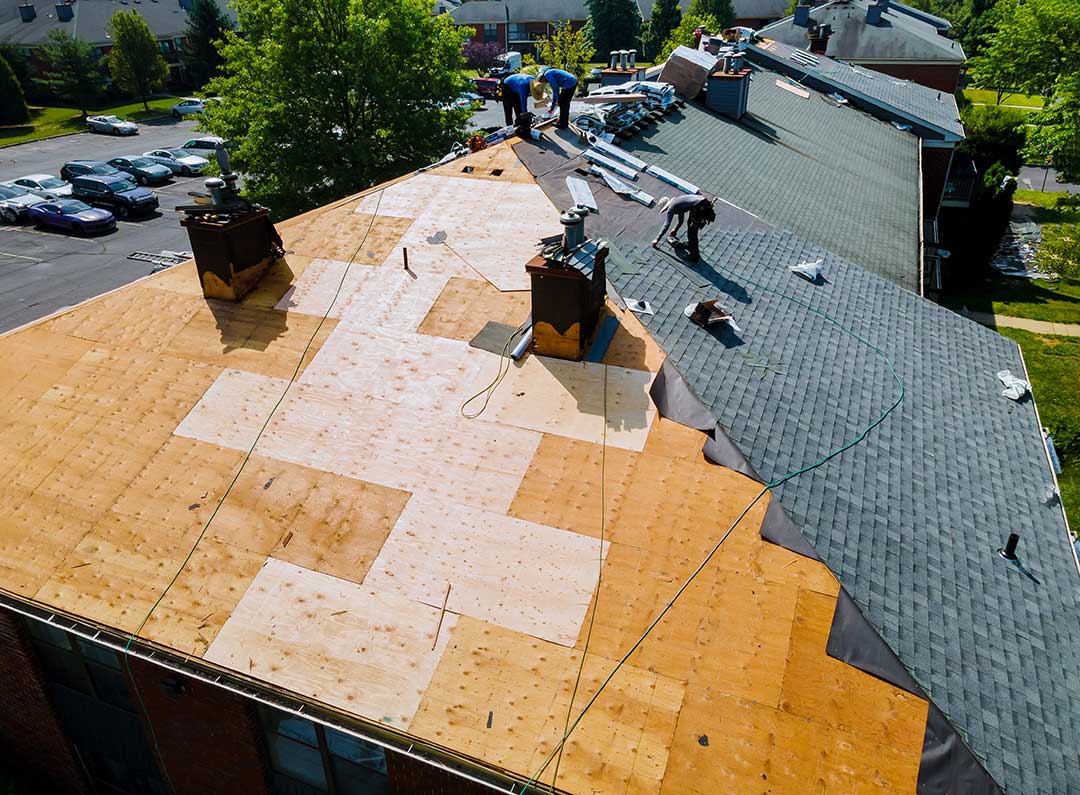
Decking is typically evaluated during major roof projects, such as tearing off old shingles or installing a new roof system. In Rensselaer, this work may also coincide with weather events, after which residents sometimes request insurance assessments.
The inspection usually involves:
- Checking for rot, mold, or soft spots in the wood
- Looking for signs of water intrusion, such as dark marks or delamination
- Confirming that the decking is properly fastened to the roof framing
If damage is found, only the affected sections are usually replaced, though sometimes full redecking is needed for older or severely compromised roofs.
Are There Local Considerations or Codes for Roof Decking?
Most roofing work in Rensselaer falls under state building codes, which specify minimum thickness and support for decking materials. Due to the region’s winters, requirements are higher than in milder climates—roof decks must bear substantial snow loads. This means boards typically range from 3/8” to 5/8” thick, with certain sections near roof edges or eaves requiring even more reinforcement to resist ice dams.
Residents considering significant roofing work may need to obtain approvals or permits to ensure code compliance, especially for older properties or homes in historic areas of the city.
What Maintenance Can Help Protect Roof Decking?
While decking is out of sight, several regular tasks will help keep it in good shape:
- Clean gutters and downspouts often to prevent water backup along the roof edges
- Address shingle or flashing problems promptly to stop leaks before they reach the decking
- Ensure attic ventilation is sufficient—improper airflow can trap moisture and lead to deck rot
During roof replacement, using quality underlayment and installing proper flashing are important steps to guard the deck against water intrusion in the coming years.
What Are Some Common Misconceptions About Roof Decking?
Many assume new shingles alone will solve roofing problems, but the deck underneath can be the source of leaks or sagging. Others think older homes with plank decks are always fine, but decades of use can leave these boards brittle or uneven—making eventual upgrades a wise investment.
Another misconception is that decking only needs attention after a visible roof failure. In reality, wintertime leaks or gradual increases in energy bills can quietly point to trouble beneath the surface.
