
How Do Roof Shapes Impact Everyday Living in Rensselaer, NY?
Roof design plays a practical role in everything from how a house looks to how it handles the changing seasons in Rensselaer, NY. Residents may not always notice roof shapes, but these choices affect insulation, maintenance needs, and even how well a home can shed winter snow. Understanding how different roof styles interact with local climate and living patterns can help area households prioritize comfort, durability, and even curb appeal.
Which Roof Shapes Are Most Common Locally—And Why?
In Rensselaer, traditional pitched (gable) roofs and hip roofs dominate. These styles have stood the test of time, largely because:
- Gable roofs (with two sloping sides meeting at a peak) allow snow and rain to slide off quickly, an advantage when winter storms linger or it rains heavily.
- Hip roofs (sloping on all sides) offer comparable drainage but are even sturdier against the strong winds that blow through the region at times.
Local building patterns, especially in older neighborhoods, reflect these choices. Flat roofs appear mainly on apartment buildings or commercial structures rather than single-family homes because they demand more frequent maintenance to prevent leaks in wet, freeze-thaw conditions.
How Do Roof Shapes Contribute to Energy Efficiency and Comfort?
Roof angles and shapes can help moderate home temperatures, especially during Rensselaer’s cold winters and humid summers. Steeply pitched roofs typically provide:
- Extra attic space, which acts as a buffer against outdoor temperature swings.
- Better ventilation options, letting heat out in summer and minimizing ice dams in winter if insulation and venting are properly maintained.
Conversely, low-pitch or flat roofs may make air circulation and insulation trickier but can be managed with the right materials and setup. For residents considering roof replacement or attic renovations, matching the roof shape with insulation and ventilation strategies matters more than simply choosing the trendiest design.
Can Roof Shape Affect Home Value or Curb Appeal?
The silhouette created by a home’s roof is a defining part of its appearance. Gable and hip roofs add visual height and symmetry, qualities often preferred among buyers, especially in neighborhoods with classic, historic homes. Roof shape can also:
- Create opportunities for dormer windows or porches, which are popular features in many family homes across Rensselaer.
- Impact the amount of usable attic space, with pitched roofs usually offering more storage or even potential living space.
While roof shape alone won’t guarantee a higher property value, choices that complement local architectural traditions can help a house fit in and age gracefully.
What Should Residents Know About Roof Shapes and Local Regulations?
Building codes in Rensselaer specify certain requirements for roof slope and structure, primarily for safety and weather performance. For instance, codes may:
- Set minimum slopes for water drainage, particularly for new construction or additions.
- Require specific load ratings for roofs based on expected snow accumulation.
Area homeowners planning renovations or additions should verify that planned roof shapes and pitches are compliant, especially where changes may affect neighboring properties or shared drainage paths. These rules help keep homes safe and neighborhoods functioning smoothly in all seasons.
How Does Roof Shape Influence Winter Maintenance Demands?
Winters in the city bring regular snow and ice. Roofs with steeper angles generally:
- Encourage snow and ice to slide off before excessive buildup, reducing structural stress.
- Make it harder for ice dams—frozen ridges of ice that can cause leaks—to form.
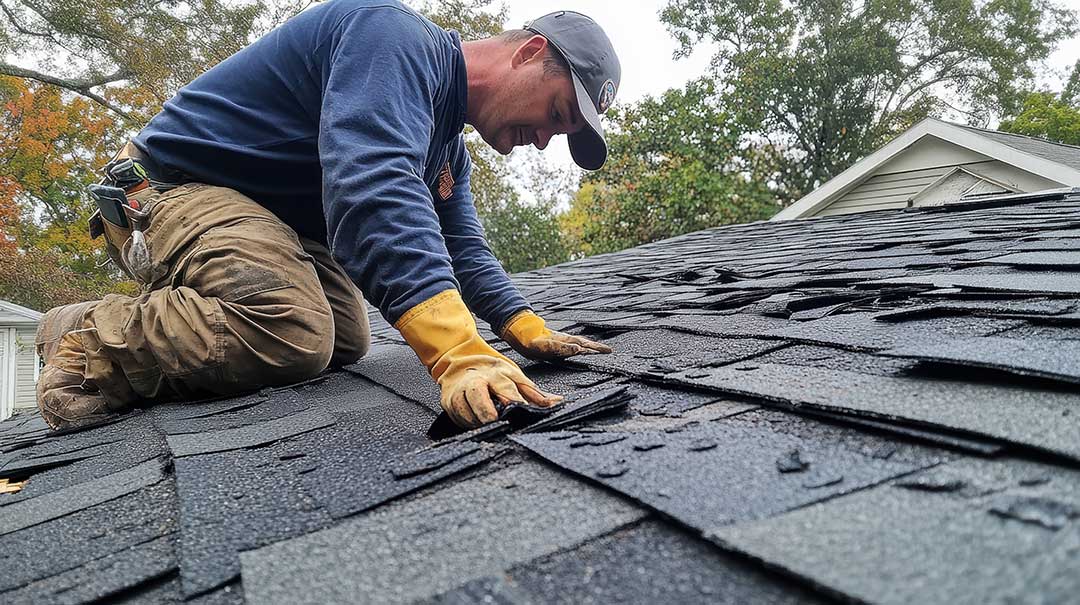
Flatter roofs might require more proactive snow removal, particularly after heavy storms. Spotting and clearing clogged gutters or downspouts is equally important regardless of roof type, since melting snow needs a clear path to flow off and away from the house.
Are There Myths About Flat Roofs in Cold, Wet Regions?
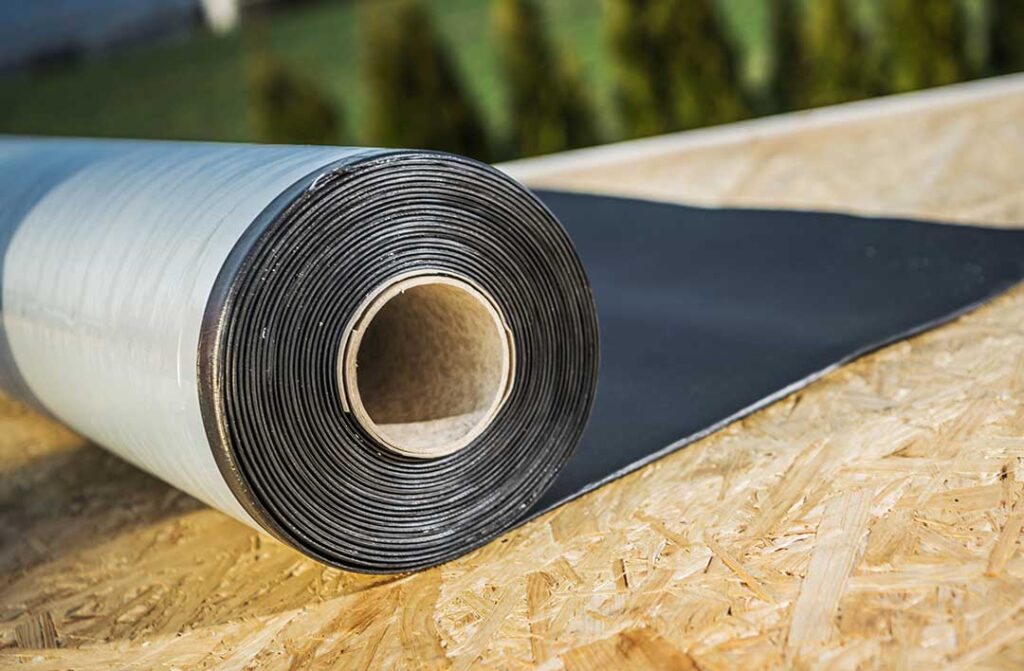
Some residents believe flat roofs are always trouble in places with harsh winters. While it’s true that flat roofs require careful installation and regular inspection to last in Rensselaer's climate, modern materials like membrane roofing and well-designed drainage systems enable them to perform reliably. Still, for single-family homes, sloped roofs remain more common because they naturally complement the area’s weather and are easier for households to maintain year after year.
What’s the Link Between Roof Shape and Neighborhood Character?
The rooflines of a residential area set the mood for the entire neighborhood. Matching roof shapes to local styles helps maintain community character and can simplify the approval process for renovations. In Rensselaer, homes from different eras—Victorian, Colonial Revival, mid-century—often feature distinct rooflines that add personality to each block. Thoughtful choices about shape, pitch, and feature elements like dormers or overhangs maintain these visual traditions while also serving practical needs.
What Practical Points Should Local Households Consider When Evaluating Roof Shapes?
- Weather resilience: Pitched and hip roofs generally outperform flatter profiles for shedding water and snow.
- Maintenance habits: Steeper roofs may be less accessible for gutter cleaning or repairs, so plan accordingly.
- Long-term costs: Initial construction cost can vary by shape, but ongoing upkeep and energy performance often have a greater impact on total expenses.
Choosing the right roof shape comes down to balancing design preferences with everyday realities—like climate, building codes, and the desire for a comfortable living space that holds up year after year in Rensselaer.
