
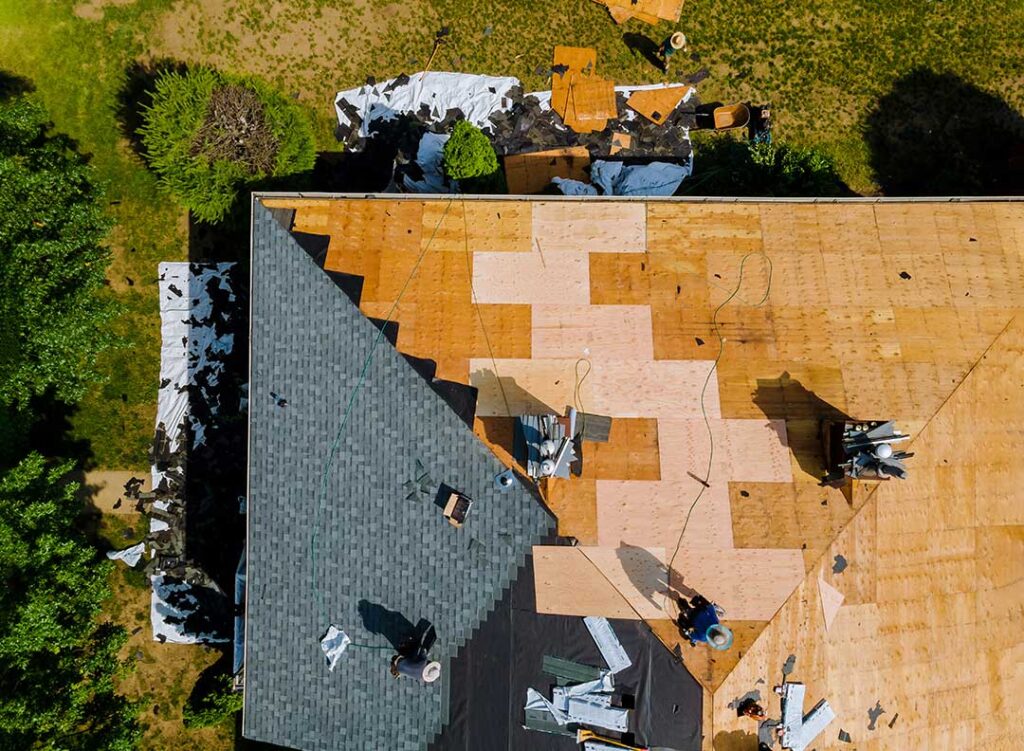
Roof coatings are liquid-applied materials designed to form a protective layer over an existing roof surface. They can reduce water intrusion, reflect sunlight, seal minor surface wear, and extend the service life of some low-slope roofing systems. They are not, however, a universal replacement for roof repair or replacement.
For homeowners in Rensselaer, roof coatings deserve careful consideration because roofs must withstand freeze-thaw cycles, snow, ice, summer heat, wind, and prolonged damp conditions. Whether a coating makes sense depends largely on the roof’s material, slope, age, drainage, and existing damage.
What does a roof coating do?
A roof coating creates a continuous membrane over the roof surface. Depending on the formulation, it may be acrylic, silicone, polyurethane, elastomeric, or another specialized material. The coating is rolled, brushed, or sprayed onto a prepared roof.
Its main functions can include:
- Sealing small cracks, seams, and surface imperfections
- Reducing ultraviolet exposure and heat absorption
- Adding another layer of water resistance
- Protecting certain roofing materials from weathering
- Making some low-slope roofs easier to maintain
A coating is different from roof paint. Paint mainly changes appearance, while a properly selected roof coating is engineered to provide specific performance characteristics, such as flexibility, adhesion, reflectivity, or resistance to standing water.
What are the main advantages?
The strongest benefit is that a coating may extend the useful life of a roof that is fundamentally sound but beginning to weather. Instead of removing the entire roof system, a coating can add a protective layer over the existing surface.
Potential benefits include:
Lower material waste. A coating project may require less tear-off than a full roof replacement, which can reduce the amount of old roofing sent to a landfill.
Reduced surface temperatures. Light-colored or reflective coatings can reflect more sunlight than dark roofing materials. This may reduce heat gain through the roof during sunny summer weather, especially on low-slope roofs with large exposed areas.
Improved resistance to minor moisture entry. A continuous coating can cover small surface openings and reinforce vulnerable areas when the underlying roof is still stable.
Protection from weathering. Coatings may slow damage caused by ultraviolet radiation, repeated wetting and drying, and seasonal temperature changes.
Simplified maintenance. Some coated roofs have a uniform surface that makes cracks, blisters, open seams, and other developing problems easier to identify during inspections.
Potentially longer service life. A coating may postpone replacement when applied at the right time and maintained according to the product requirements.
These benefits are most realistic when the roof has adequate drainage, limited damage, and enough remaining structural strength to support another maintenance cycle.
What are the disadvantages?
The biggest limitation is that a coating cannot correct serious problems beneath the roof surface. If the roof deck is deteriorated, insulation is saturated, flashing has failed, or leaks are widespread, coating over the top may hide symptoms without solving the cause.
Other drawbacks include:
Preparation is critical. Dirt, algae, loose gravel, deteriorated membranes, grease, and moisture can prevent proper adhesion. A coating applied to a poorly prepared surface may peel, blister, or separate prematurely.
Leaks may continue. Coatings can seal some minor openings, but they do not automatically repair failed flashing, damaged penetrations, blocked drainage, or structural movement.
Weather affects application. Many coatings require suitable temperatures and dry conditions during installation and curing. Cold weather, dew, rain, or high humidity can interfere with the process. This matters in a region with cool springs, wet autumns, and long winter conditions.
Standing water remains a concern. Some coating types tolerate ponding water better than others, but a coating is not a substitute for proper slope and drainage. Water that remains on a roof for extended periods can contribute to blistering, adhesion problems, and faster deterioration.
The surface may require recoating. A coating is not necessarily a permanent solution. Its service life depends on the material, thickness, exposure, maintenance, and quality of preparation.
Appearance can change over time. Reflective coatings may collect dirt, lose brightness, or show repairs and foot traffic. This is usually a maintenance issue rather than a structural failure, but it can affect expectations.
Which roofs are better candidates?
Roof coatings are generally more suitable for low-slope or nearly flat roofing systems that have a sound membrane and manageable surface wear. They may also be considered for certain metal roofs, provided rust, loose fasteners, open seams, and incompatible existing coatings are addressed first.
A roof may be a reasonable candidate when:
- Leaks are limited and their sources are understood
- The roof deck is structurally sound
- Existing roofing materials are firmly attached
- Drainage systems work properly
- There is little or no widespread wet insulation
- The coating can bond to the existing surface
- The roof has enough remaining life to justify the additional work
The exact product matters. A coating designed for metal roofing may not be appropriate for a single-ply membrane, modified bitumen surface, or another roofing material. Compatibility should be confirmed before application.
When is coating a poor choice?
Coating is usually a poor fit when the roof has extensive deterioration rather than isolated surface wear. Covering a failing roof can make future inspection more difficult and may complicate later repairs.
Warning signs include:
- Soft or spongy areas underfoot
- Sagging roof sections
- Large blisters or widespread bubbling
- Repeated leaks in many locations
- Saturated insulation
- Severe rust or corrosion
- Loose, brittle, or missing roofing material
- Damaged flashing around edges, vents, skylights, or other penetrations
- Drainage problems that remain unresolved
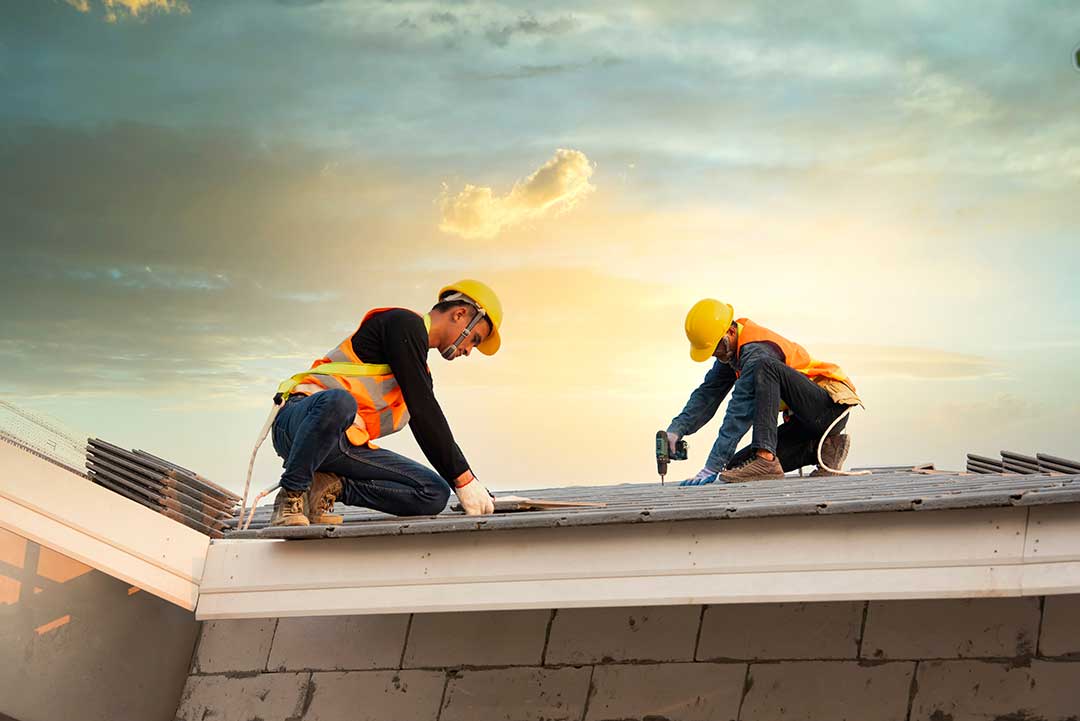
Safety also matters. Roof access can be hazardous, particularly when surfaces are wet, icy, steep, or weakened. In those conditions, evaluation and application should not be treated as a routine do-it-yourself project.
Can a coating stop all roof leaks?
No. A coating may reduce leakage from small cracks, porous surfaces, or minor seam openings, but it cannot guarantee a leak-free roof. Water can travel beneath roofing materials before appearing inside, so the visible stain may not be located directly below the original failure.
A coating also does not repair damaged wood, replace failed flashing, dry wet insulation, or correct inadequate drainage. Those conditions must be addressed separately.
One common misconception is that a thicker layer always provides better protection. Excessive thickness can create its own problems, including cracking, slow curing, or poor adhesion. Performance depends on the correct product, surface preparation, application conditions, and specified coverage.
How do winter conditions affect coated roofs?
Freeze-thaw cycles are particularly relevant in Rensselaer. Water can enter small openings, freeze, expand, and place pressure on seams or surface defects. Snow and ice can also conceal developing problems during winter, making seasonal inspections useful when conditions are safe.
Coatings must remain flexible enough for temperature changes, but no coating eliminates the effects of movement in the building or roof assembly. Snow removal should also be handled carefully. Shovels, roof rakes, and foot traffic can damage a coated surface if used improperly.
After major winter weather, useful maintenance checks include looking for:
- New interior stains or damp insulation
- Open seams or lifted edges
- Cracking around penetrations
- Blisters, peeling, or exposed substrate
- Blocked drains, gutters, or downspouts
- Areas where snow or water repeatedly collects
How should homeowners compare coating with replacement?
The decision should be based on the condition and expected remaining life of the entire roof system, not only the appearance of the top surface.
A coating may make sense when it preserves a serviceable roof and addresses manageable wear. Replacement is more appropriate when the underlying materials, drainage, flashing, or structure have reached the end of their useful life.
Questions worth asking include:
- What is causing the current leaks?
- Is the roof dry beneath the surface?
- How much sound roofing material remains?
- Will the coating bond to the existing roof?
- How will drains and flashing be treated?
- What maintenance will be needed afterward?
- Will future inspections still be practical?
A realistic roof coating project begins with an honest assessment of what the coating can and cannot fix. For some low-slope roofs, it can be a useful maintenance strategy. For a roof with widespread damage, it may only delay a more substantial repair while adding another layer that eventually must be removed.
