

Why Does Your Roof Need Special Attention During Renovations?
Any home renovation—whether it’s an addition, skylight installation, or a new HVAC system—can threaten your roof’s integrity. In Rensselaer, NY, weather patterns like frequent rain and snow increase the risk of leaks and damage when roofing materials are exposed or disturbed. Lack of attention to roof protection may lead to expensive repairs, water ingress, or even mold growth inside the attic or walls.
What Are the Main Risks to Roofs During Renovation Projects?
Typical renovation activities can compromise your roof in several ways:
- Heavy foot traffic from workers can break shingles or underlying materials.
- Bringing materials and equipment onto the roof may scratch or dislodge components.
- Dust, debris, and tools left on the roof can clog gutters or puncture the surface.
- Openings for vent pipes or skylights can be left vulnerable to sudden rainfall.
Especially in Rensselaer’s variable climate, unexpected weather events can cause small roof vulnerabilities to escalate quickly.
How Can You Prepare Your Roof Before Renovation Starts?
Preparation should begin before the first hammer falls. Briefly, covering vulnerable areas and communicating with your contractor greatly reduces risks.
- Inspect your roof ahead of time for any preexisting damage. Small issues like cracked flashing or missing shingles should be addressed before construction begins.
- Take detailed photos for your records.
- Clear gutters and downspouts to ensure water can flow freely, as construction debris may accumulate quickly.
- Discuss roof protection plans with every contractor involved. Make sure everyone understands the need to avoid unnecessary foot traffic and to use designated access points.
What Measures Prevent Roof Damage During Construction?
The most effective way to prevent roofing damage is to combine physical barriers with careful worksite habits:
- Request that plywood walkways or foam pads are used where foot traffic is necessary across the roof.
- Tarps and waterproof coverings should be on hand to cover roof sections if a sudden storm approaches or if roof penetrations are open for more than a few hours.
- Remove construction debris daily. It’s easy for nails, screws, or sharp objects to be left behind and puncture roofing material.
- Confirm that workers are not dragging tools or materials across shingles, which can remove protective granules from asphalt shingles or crack tiles.
Is Exterior Work During Certain Seasons Riskier in This Community?
In Rensselaer, weather can change quickly, especially during late fall and early spring. Roofing materials may react differently in cold versus warm weather:
- Shingles can become brittle and prone to cracking in freezing temperatures.
- Sudden rainstorms or snow showers can saturate exposed wood or underlayment if temporary covers fail.
- High winds, common during transitional seasons, can flutter tarps or blow loose materials off the roof, increasing hazards.
Whenever possible, schedule major renovations during periods when extended dry weather is more predictable, or ensure temporary protections are robust enough for local conditions.
How Can You Protect Attic Spaces and Interiors During Renovations?
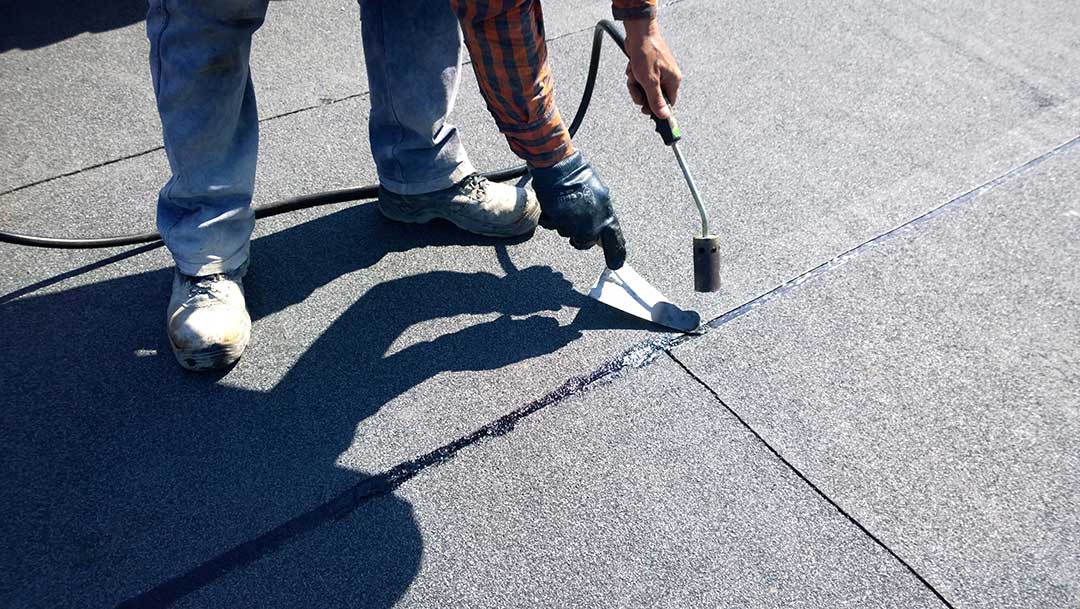
It’s easy to forget that construction on the roof also impacts what’s directly below. Sawdust, insulation, and water can all drift into attic spaces or living areas if gaps are left unsealed.
- Seal attic accesses with plastic sheeting or temporary weather seals to prevent dust migration.
- Store valuables and sensitive materials away from potential leak areas or spots where debris could fall through.
- If new penetrations are being cut (like for skylights), verify installers use proper flashing and water barriers from the start.
Are Permits or Local Guidelines Relevant to Roof Protection?
While basic roof protection isn’t regulated, Rensselaer residents should be aware that opening up any roof surface may require permits. Local building codes often specify:
- Minimum requirements for waterproofing around new penetrations
- Standards for materials and flashing
- Rules about debris management
Confirm project details with the city’s building department if your renovations involve structural changes or new roof openings. This reduces risks of being forced to redo work or face unexpected repairs.
What Post-Project Steps Help Ensure Your Roof Is Sound?
A thorough inspection after renovations is essential. Start with a visual check from both outside and inside (attic). Look for:
- Loose, cracked, or missing shingles near where work was performed
- Signs of water stains or daylight in attic spaces
- Debris in gutters (clearing this can prevent ice dams during winter months)
- Any odd noises during heavy rain that might suggest a leak path
Document findings and repair any damage quickly, as Rensselaer’s frequent precipitation can make small issues worse in a matter of days.
