

What Does a Roof Tear-Off Involve?
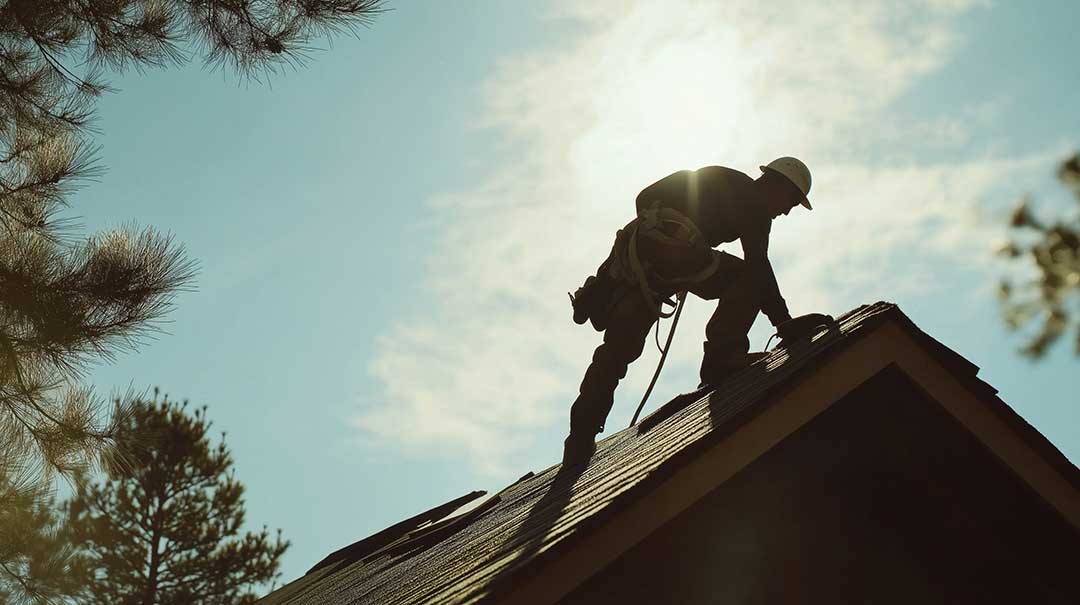
A roof tear-off means removing all the old roofing materials down to the underlying wood before installing a new roof. Unlike a simple overlay, which adds new shingles on top of the existing roof, a tear-off exposes the roof deck and lets contractors address any hidden issues. The process is much more thorough, but also more disruptive than most minor repairs.
In older neighborhoods of Rensselaer, this is especially relevant because many homes have two or more layers of shingles or have not had the underlying wood inspected in decades. Tear-offs ensure underlying damage, such as rot or mold that local weather can cause, is found and fixed.
How Loud and Messy Will It Be?
Expect significant noise and mess throughout a roof tear-off. Removing old shingles involves crowbars, roofing shovels, and occasional hammering, all of which carry through walls and ceilings. Even newer houses with updated insulation will not block these sounds entirely.
Crews will typically put tarps or plywood around the house and over landscaping to catch debris and minimize cleanup, but there will be dust and stray nails. Many Rensselaer residents prefer to move cars away from the house during this work, and pets or sensitive family members may need a quieter space for a day or two.
How Long Does a Roof Tear-Off Take?
A standard tear-off and re-roof for a typical single-family home in the city can take one to three days, depending on roof complexity, house size, and weather conditions. Most tear-offs are completed in a day, with a second day for installation if complications do not arise.
Seasonal patterns in Rensselaer often influence the schedule. Late spring to early autumn is when most tear-offs are performed, as frequent rain and winter snow can delay work or require temporary waterproofing.
What About Hidden Damage Under Old Roofs?
Uncovering hidden problems is a common part of roof tear-offs. Once old shingles and underlayment are gone, contractors inspect the decking (usually plywood or boards). In the Northeast, issues like water rot, mold, or insect damage are possible—especially in roofs that haven’t been replaced in decades or after severe storms.
If damaged wood is found, expect new materials and repairs to be necessary before a new roof is installed. This can add a day or two to the project and slightly raise costs, but makes the roof safer and extends its lifespan.
Does a Roof Tear-Off Disrupt Everyday Life?
Daily routines are usually interrupted during a roof tear-off. Entryways may be temporarily blocked, and vibrations or falling debris mean it’s unsafe to use attics or top-floor rooms. Many Rensselaer households find it practical to plan alternative arrangements for children or daytime naps, and to notify neighbors who share driveways or fencing.
Electricity and plumbing are rarely affected. However, removing satellite dishes, solar panels, or roof-mounted antennas—if present—may be required and should be planned for in advance.
What Should Be Done to Prepare?
A few simple preparations can make the process smoother:
- Move vehicles away from the house and clear driveways
- Remove outdoor furniture, grills, and potted plants from the work area
- Take fragile or valuable items off walls and shelves—vibrations can cause them to fall
- Cover belongings in the attic with tarps to catch dust and debris
- Inform neighbors about the upcoming work, especially if homes are close together
Preparation in Rensselaer often includes checking for local noise or work hour restrictions, as denser blocks may have limits on start times.
How Are Waste and Old Shingles Disposed Of?
Old roofing materials, nails, and underlayment are collected and typically loaded into a dumpster or trailer kept in the driveway or street parking. Most responsible operators sort out recyclable shingles and ensure proper disposal following county and city regulations.
In older neighborhoods, temporary traffic or parking adjustments may be needed while the dumpster is present. It’s a good idea for residents to check in advance about street access or permit requirements if space is tight.
Are Permits or Inspections Required?
Rensselaer generally requires permits for major roofing work, including full tear-offs. Inspectors may visit before and after the project to check the work, especially if repairs to structural wood are needed. Homeowners benefit from knowing the permit has been filed and that all materials used meet regional building codes—this can avoid issues if the home is later sold or refinanced.
What Happens After Cleanup?
When the tear-off is complete, cleanup crews use magnets to pick up nails and sweep yards and driveways thoroughly. Most tarps and protective barriers are removed on the same day. Homeowners can inspect the area for leftover debris and request a walk-through to review anything missed, such as marks on siding or fencing.
A good tear-off leaves a solid, clean base for the new roof. Local households can expect relief from leaks and improved insulation, knowing the underlying structure has been checked and necessary repairs made.
