
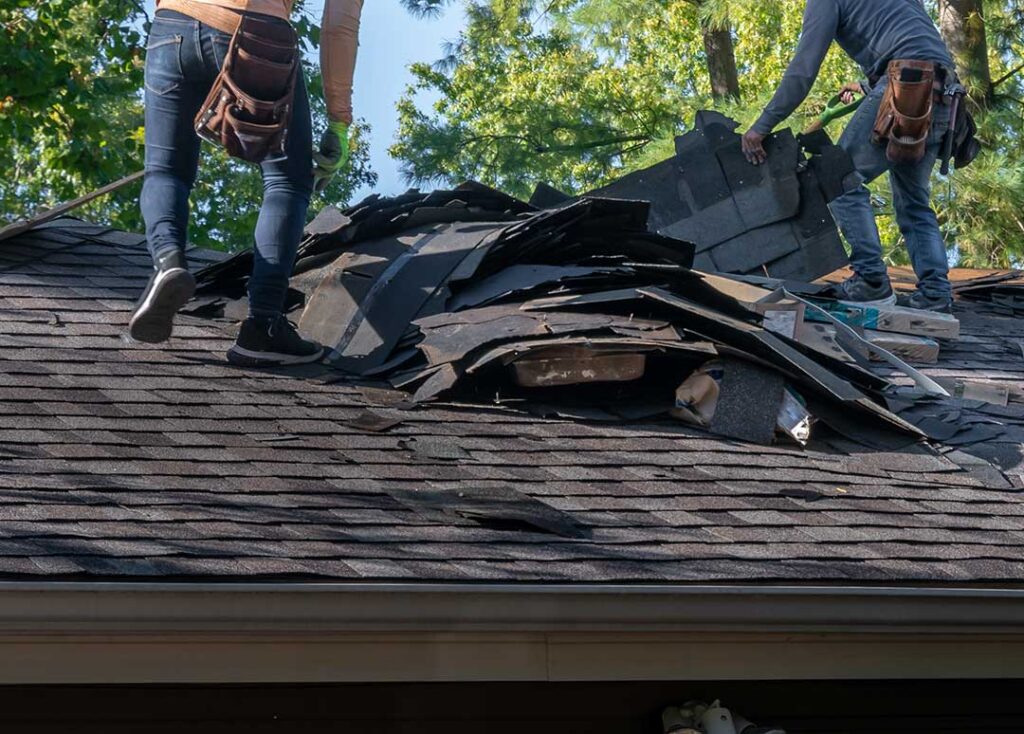
Replacing a roof is a major household expense, and many residents do not have the full amount available in savings. Financing can make the work manageable, but the right choice depends on the roof’s urgency, the home’s equity, credit history, income, and how much monthly payment the household can safely carry.
For homeowners in Rensselaer, NY, seasonal weather is also a practical consideration. Snow, ice, wind, freeze-thaw cycles, and heavy rain can worsen an already failing roof, so delaying necessary work may increase both repair costs and the risk of interior damage.
What financing options are available for a new roof?
The main options are cash savings, a personal loan, a home equity loan, a home equity line of credit, credit card financing, and certain government-backed rehabilitation programs. Each option has different costs and risks.
Paying with savings
Using savings avoids interest charges, loan fees, and the risk of putting the home up as collateral. It may be appropriate when the roof replacement is affordable without reducing emergency reserves too sharply.
A household should be cautious about using every available dollar. A roof project can uncover damaged decking, ventilation problems, flashing deterioration, or moisture-related repairs. Keeping funds available for unexpected work and normal household emergencies is often more practical than paying the entire bill from savings.
Is a personal loan a reasonable way to finance a roof?
A personal loan provides a lump sum that is generally repaid through fixed monthly payments. It may be useful when a homeowner wants predictable payments but does not want to secure the debt with the home.
The interest rate and loan amount usually depend on credit history, income, existing debts, and the lender’s underwriting standards. Compare the annual percentage rate, origination fees, repayment period, late fees, and total repayment amount—not just the advertised monthly payment.
A longer repayment period can reduce the monthly bill while increasing the total interest paid. A shorter term may cost less overall but create a larger monthly obligation.
How do home equity loans and HELOCs differ?
A home equity loan provides a specific amount in one lump sum, often with a fixed interest rate and fixed payments. It can be easier to budget when the roofing cost is known in advance.
A home equity line of credit, or HELOC, works more like a revolving credit line. The homeowner can generally draw funds as needed during the draw period, which may be helpful if the final project cost is uncertain. HELOCs commonly have variable interest rates, so payments can change. Payments may also rise when the draw period ends and full repayment begins. ([consumerfinance.gov](https://www.consumerfinance.gov/ask-cfpb/what-is-a-home-equity-line-of-credit-heloc-en-107/?utm_source=openai))
Both products use the home as collateral. If payments cannot be made, the borrower could face foreclosure. Home equity loans and HELOCs may also involve appraisal costs, application fees, closing costs, annual fees, or other charges. The Consumer Financial Protection Bureau recommends comparing more than the monthly payment before borrowing. ([consumerfinance.gov](https://www.consumerfinance.gov/ask-cfpb/what-is-a-home-equity-line-of-credit-heloc-en-107/?utm_source=openai))
Could refinancing help pay for a roof?
A cash-out refinance replaces the existing mortgage with a larger mortgage and provides the difference in cash. This can sometimes be considered when the homeowner needs a large amount and the new mortgage terms are financially suitable.
However, refinancing can involve closing costs, a longer repayment timeline, and a new interest rate that may be higher than the existing mortgage rate. It may also increase the total interest paid over the life of the loan. A roof replacement alone may not justify changing the entire mortgage, particularly if the current mortgage has favorable terms.
The key question is not simply whether cash can be obtained. It is whether the revised mortgage remains affordable after considering taxes, insurance, utilities, maintenance, and other household expenses.
Are credit cards or promotional financing safe for roof work?
Credit cards can be useful for a small repair that can be repaid quickly, but they are often expensive for a full roof replacement. Promotional offers with a temporary low or zero interest rate can become costly if the balance is not paid by the deadline or if deferred interest applies under the agreement.
Before using this type of financing, check:
- The regular interest rate after the promotion
- Whether interest accrues during the promotional period
- The required minimum payment
- The exact payoff deadline
- Late-payment consequences
- Whether the credit limit is sufficient for unexpected project costs
A low initial payment does not necessarily mean the financing is inexpensive.
Are government-backed programs available for roofing?
Some federally backed rehabilitation programs may help in limited situations. HUD’s FHA 203(k) program is generally associated with purchasing or refinancing a property while including eligible rehabilitation costs in the mortgage. It is not automatically a simple roof-replacement loan for every homeowner. HUD also identifies the Title I Property Improvement Loan Program as a possible option for certain rehabilitation work that does not involve buying or refinancing the property. Eligibility, lender participation, property requirements, and permitted improvements must be verified before relying on these programs. ([hud.gov](https://www.hud.gov/program_offices/housing/sfh/203k/203k–df?utm_source=openai))
Local residents should also be cautious about assuming that an energy-efficiency program applies to ordinary roof replacement. A standard roof may not qualify unless the work meets specific program rules, such as installing an eligible energy-related improvement.
What should homeowners compare before accepting financing?
A useful comparison includes the total amount borrowed, total repayment, interest rate, fees, collateral requirements, and consequences of late payment.
Ask for the terms in writing and review:
- Annual percentage rate rather than only the interest rate
- Fixed or variable interest
- Loan term and payment schedule
- Origination, appraisal, recording, or annual fees
- Prepayment penalties
- Whether payments may increase later
- What happens if the project costs more than expected
- Whether the lender can place a lien on the property
A household budget should include the new payment alongside the existing mortgage, property taxes, insurance, heating, transportation, and other recurring costs. A financing payment that works only during a good month may be too risky for a long-term home expense.
Should financing offered through a roofing contractor be accepted?
Contractor-arranged financing is not automatically harmful, but it should not be accepted without comparison shopping. The Federal Trade Commission advises consumers to review independent financing options and avoid signing loan documents under pressure. Homeowners should never sign blank forms, rush through a contract, or assume that a “same-as-cash” offer has no conditions. ([consumer.ftc.gov](https://consumer.ftc.gov/articles/how-avoid-home-improvement-scam?utm_source=openai))
The financing agreement and the roofing contract are separate documents. Review each one carefully. The loan may still require payment even if the work is delayed, disputed, or incomplete, depending on the contract terms.
For work performed under a home-improvement contract signed in the home or another location that is not the seller’s permanent place of business, federal rules may provide a limited cancellation period in certain circumstances. The exact rights depend on how and where the agreement was signed, so the written documents should be reviewed promptly. ([consumer.ftc.gov](https://consumer.ftc.gov/articles/how-avoid-home-improvement-scam?utm_source=openai))
What if the roof is leaking but the full replacement cannot be financed?
If active water intrusion is occurring, temporary protection and targeted repairs may reduce further damage while a household evaluates replacement financing. That does not make an old roof sound indefinitely, but it may create time to compare loan terms rather than accepting the first offer.
Document leaks, ceiling stains, damaged insulation, and interior moisture. Insurance coverage may apply to sudden storm damage, but ordinary wear, age, and deferred maintenance are often treated differently. The policy language and cause of loss matter more than the roof’s age alone.
For many households, the most responsible choice is the financing option with a manageable total cost and a payment that remains affordable through winter heating expenses, property taxes, and other seasonal demands.
