

What Are the Most Common Roof Repair Mistakes in Rensselaer, NY?
Many local residents attempt roof repairs due to concerns about harsh winters, fast-changing weather, or the age of their homes. While some issues might seem easy to handle, common errors often lead to more leaks, structural problems, or safety risks. By understanding which mistakes are most prevalent in the community, homeowners can make smarter decisions and extend the life of their roofs.
Is Overlooking Small Leaks Actually a Problem?
Even a minor drip can mean trouble if ignored. In Rensselaer, fluctuating temperatures and freeze-thaw cycles turn tiny leaks into bigger problems quickly. Moisture entering through a small opening may:
- Rot decking or wooden support structures
- Cause interior water stains or paint damage
- Foster mold growth in attics or wall cavities
What starts as an occasional drip could eventually lead to costly repairs if invasive water seeps into insulation or causes framing rot.
Can Improper Shingle Installation Cause Issues?
Installing shingles, whether asphalt, wood, or synthetic, requires aligning and fastening them according to manufacturer instructions. Misplacing nails, using the wrong type or length, or skipping underlayment can drastically reduce a roof’s lifespan. Local homeowners sometimes encounter:
- Shingles that blow off during spring storms due to missed or poorly driven nails
- Water seeping under the edges from misaligned courses
- Ice damming in valleys or eaves because water barriers were skipped
Following layout patterns that aren’t tailored for the steep pitches often found in Rensselaer’s older homes is another regular pitfall.
Is Reusing Old or Damaged Materials Worth the Risk?
Some do-it-yourselfers try to save money by reusing flashing, old shingles, or fasteners. This can invite leaks or early failure, especially after Rensselaer’s harsh winters. Metal flashing can become brittle and lose its seal; worn shingles may not adhere well, and rusted nails lose holding power. Saving a few dollars upfront often leads to much larger expenses down the road.
Why Is Ignoring Roof Ventilation a Common Mistake?
Ventilation might seem secondary to patching leaks, but neglecting it allows heat and moisture to build up in attics. In the city’s humid summers and cold, snowy winters, poor airflow can:
- Warp roof decking
- Promote mold or mildew
- Trigger ice dams that force water beneath shingles
Ensuring adequate intake and exhaust vents keeps the attic dry, reducing temperature swings that damage roofing materials.
Are Quick Patch Jobs Effective for Local Roofs?
While temporary fixes such as roofing cement, sealants, or duct tape might control an immediate leak, these rarely last through a full season of Rensselaer's changing weather. Rushed repairs can:
- Hide evidence of deeper problems, such as cracked decking or failing underlayment
- Peel away in heavy rain or snow, leaving the structure vulnerable
Thorough repairs with compatible materials are more reliable and safe for long-term peace of mind.
Do Residents Sometimes Overestimate Their Abilities or Skip Safety Practices?
Working on a roof involves height, sloped surfaces, and variable weather—conditions that call for proper footing, equipment, and personal protection. Some local homeowners take risks by:
- Not using fall protection
- Attempting repairs during wet, icy, or windy days
- Carrying inadequate ladders for the roof height
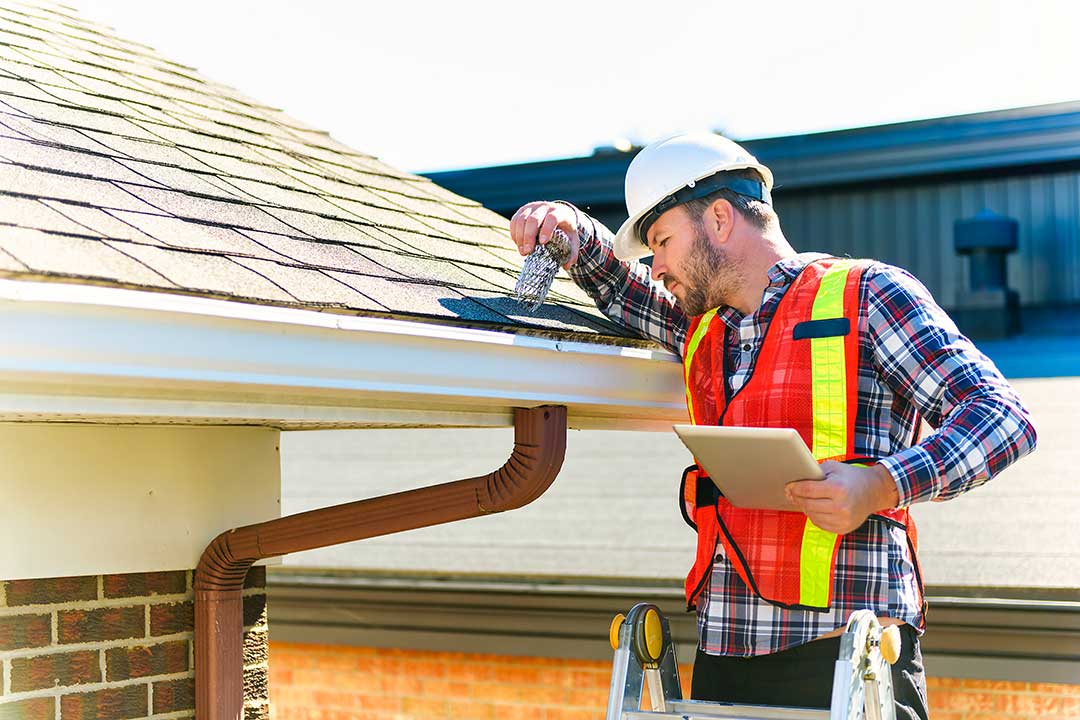
Ignoring basic safety can result in serious falls or other injuries. It's always best to wait for safe conditions and never rush the process.
Are Permit and Code Requirements a Real Concern?
In the City of Rensselaer, as in most New York communities, building codes dictate roof repair methods, allowable materials, and sometimes require permits. Skipping these steps risks:
- Unexpected fines or required do-overs
- Problems during home sales or inspections
- Missed safety or structural updates that codes now address
Residents should check local requirements for even minor repairs, especially if replacing more than a few shingles or altering roof structure.
How Does Weather Timing Impact Roof Repairs?
Delaying repairs until after heavy rain or snowmelt often makes problems harder to fix. Moisture can enter open seams or nails driven into wet decking may never seal properly. Scheduling repairs during dry stretches—especially after winter or prior to severe weather—is more effective and prevents further deterioration.
What Steps Can Area Households Take to Avoid These Mistakes?
Instead of guessing or taking shortcuts, local homeowners can make their roof repairs last by:
- Regularly checking for loose shingles, missing flashing, and early signs of leaks—especially after storms
- Using proper, compatible materials (never repurposing damaged parts)
- Ensuring good attic ventilation before adding insulation or sealing leaks
- Following local building codes and permit rules
- Prioritizing safety above speed
By avoiding these frequent missteps, residents keep homes safer and avoid the headache of recurring repairs.
