
What Is Roof Decking and Why Does It Matter?
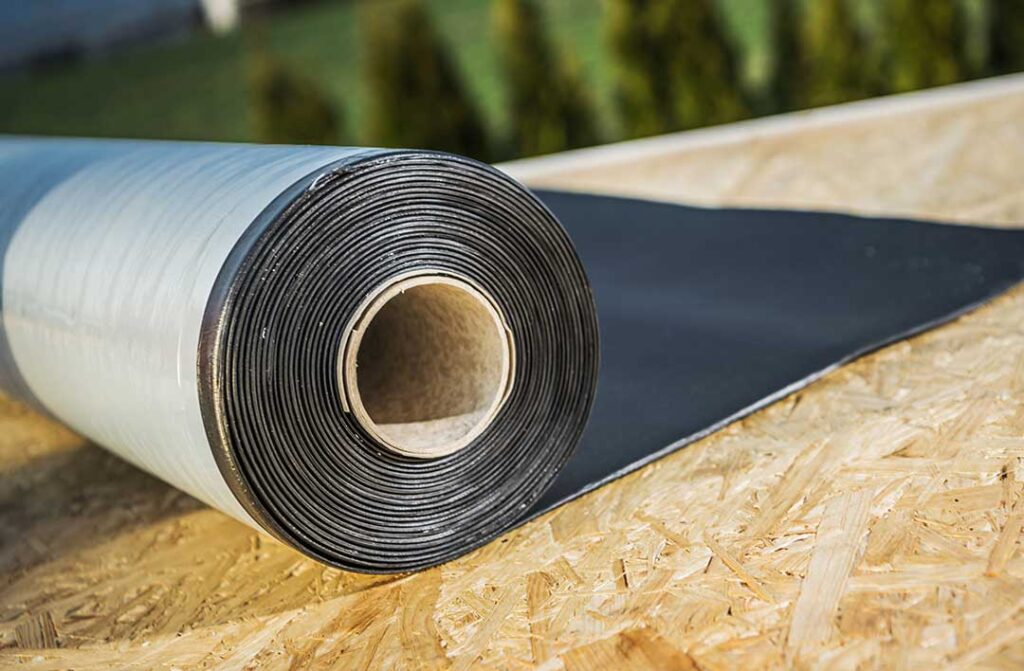
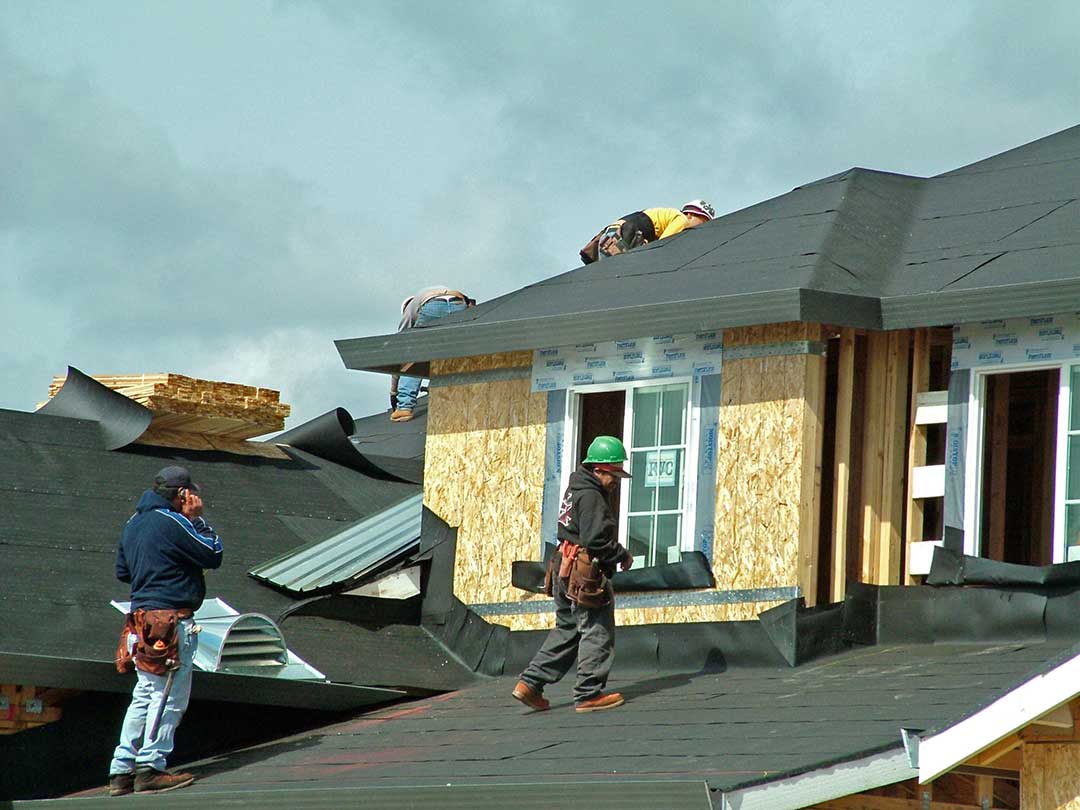
Roof decking—sometimes called sheathing—is the solid layer of wood or manufactured panels beneath your shingles or roofing material. In houses across Rensselaer, this crucial component creates the foundation that supports the roof covering, gives structure, and helps protect your home from weather. When decking fails, even the best shingles can’t keep out water or wind.
How Can You Tell If Roof Decking Needs Attention?
You can often spot signs of decking trouble from inside or outside, though some clues may only appear during a severe problem or a roof replacement. Here’s what residents in the city should look for:
- Sagging or uneven areas on the roof surface
- Noticeable dips between rafters when viewed from the yard or street
- Soft or spongy feel if you carefully walk on the roof (not recommended unless safe to do so)
- Sunken or odd-looking ceiling areas indoors, especially after heavy snow or rain
Any of these may indicate that the wood beneath your shingles is weakened by moisture, rot, or structural stress. Locally, the mix of humid summers, freezing winters, and seasonal storms can speed up roof wear compared to drier climates.
Are Water Stains Inside a Sign of Decking Problems?
Yes—though leaks can start with shingles, water stains on upper floors or attic ceilings often mean moisture has bypassed surface protection and soaked into decking. Watch for:
- Dark, spreading patches or rings on ceiling drywall
- Mold or mildew odors in attic spaces
- Peeling paint or bubbling wallpaper
In many Rensselaer homes, especially older ones, insulation and ventilation patterns can hide early leaks, so any new staining after storms or ice damming deserves a closer look.
Can Visible Roof Damage Indicate Decking Issues?
Obvious damage like missing shingles, cracked flashing, or ice dam formation may expose decking to the elements. When leaks go unnoticed, decking can soften or break down over months of wet-weather cycles. Some clues:
- Curling or buckling of shingles in a specific area
- Sections of the roof that appear sunken or ripple
- Heavy moss, ice, or standing water in valleys after snowmelt
Decking issues are especially common along roof edges, under chimneys, or anywhere gutters frequently overflow.
Do Attic Conditions Offer Any Warning Signs?
Attics in the region experience high humidity in summer and condensation in winter if ventilation is lacking. During walks or inspections, check for:
- Damp or mushy areas in exposed wood panels or plywood (tap gently with a tool)
- Discolored or flaky wood along rafters or deck boards
- Light shining through the roof where decking may be missing or decayed
Excess moisture in attic insulation or visible frost on nails in cold weather are both red flags for underlying ventilation and decking health problems.
How Important Is Seasonal Climate for Roof Decking in Rensselaer?
Local climate is a real factor in roof performance. Freezing and thawing cycles promote small leaks, which can lead to hidden rot. Heavy snow loads stress decking in winter, especially on low-pitch roofs commonly found in some city neighborhoods. Strong winds and sudden downpours in spring and summer test the integrity of aging or patched areas. Households should be alert for new changes after any major weather event.
What Are Less Obvious Signs That Decking Could Be Compromised?
Even without major leaks, these subtle clues might point to decking needing attention:
- Unexpectedly high indoor humidity, even with dehumidifiers or air conditioning
- Increased pests or insects in the attic, as rotted wood is more accessible
- Persistent roof “creaking” or increased exterior noise during windy nights
- Sudden difficulty fastening satellite dishes, Christmas lights, or rooftop equipment—fasteners may not “bite” or hold in softened decking
These may not always be conclusively tied to decking, but they merit further investigation when combined with visual signs.
Is It Safe to Investigate the Roof Yourself?
Visual checks from the ground or attic can be safe and informative. However, entering an attic with visible sagging, water damage, or mold can be hazardous, as is walking on a weak, spongy roof. If in any doubt about structural safety, it’s best to observe from a distance and note what you see.
Why Is Early Detection of Decking Issues Beneficial?
Catching decking problems early typically means smaller repairs, less interior damage, and lower risk of mold or structural rot. Addressing small trouble spots—even replacing limited sections—can prolong the life of the entire roofing system and avoid costly surprises during major repairs or property transfers. For the Rensselaer community, regular attic checks and awareness after storms or thaw cycles go a long way toward maintaining housing quality.
